






A label does more than put a track online. It frames a release: it credits the artists properly, presents the music to DJs and listeners, and keeps a catalogue coherent enough to explore over time. Distribution is part of the job; curation and memory are the rest.
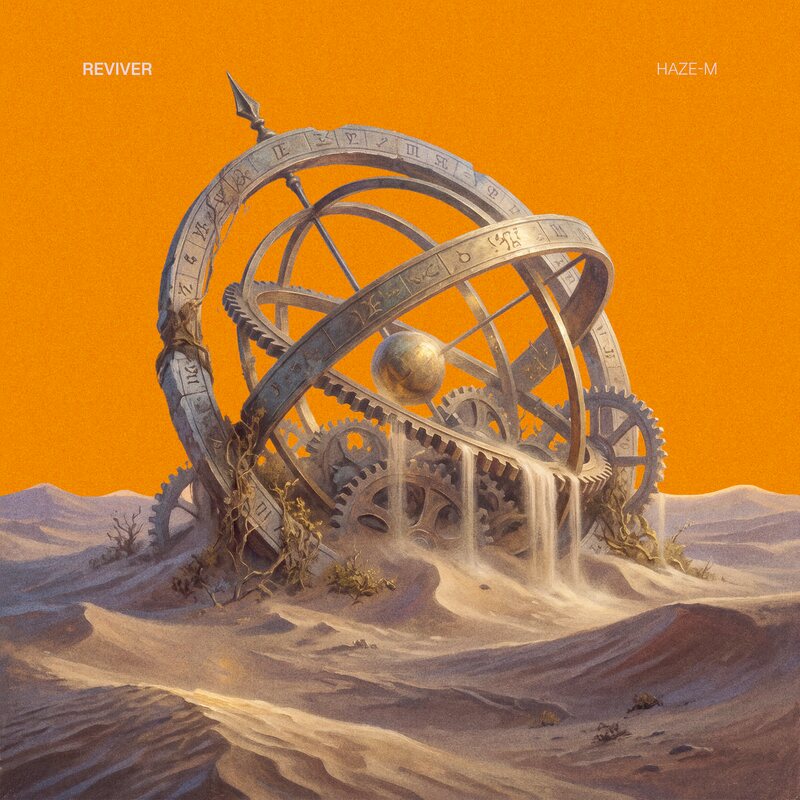
Haze Music, Vol. 1 is a concrete example: five artists across eight tracks, connecting Haze-M with Malek Mhedhbi, Raidyn, Rauschhaus and Zanjma. Joline, Reviver and Mahadeva show the same connections in different combinations.
An independent label does not need to represent an entire scene. Its value is more specific: a consistent way of choosing records and keeping them available after the release week has passed.
For artists, the archive becomes a record of their work. For DJs, a reliable source. For listeners, a route through a network of names and sounds.


